
-
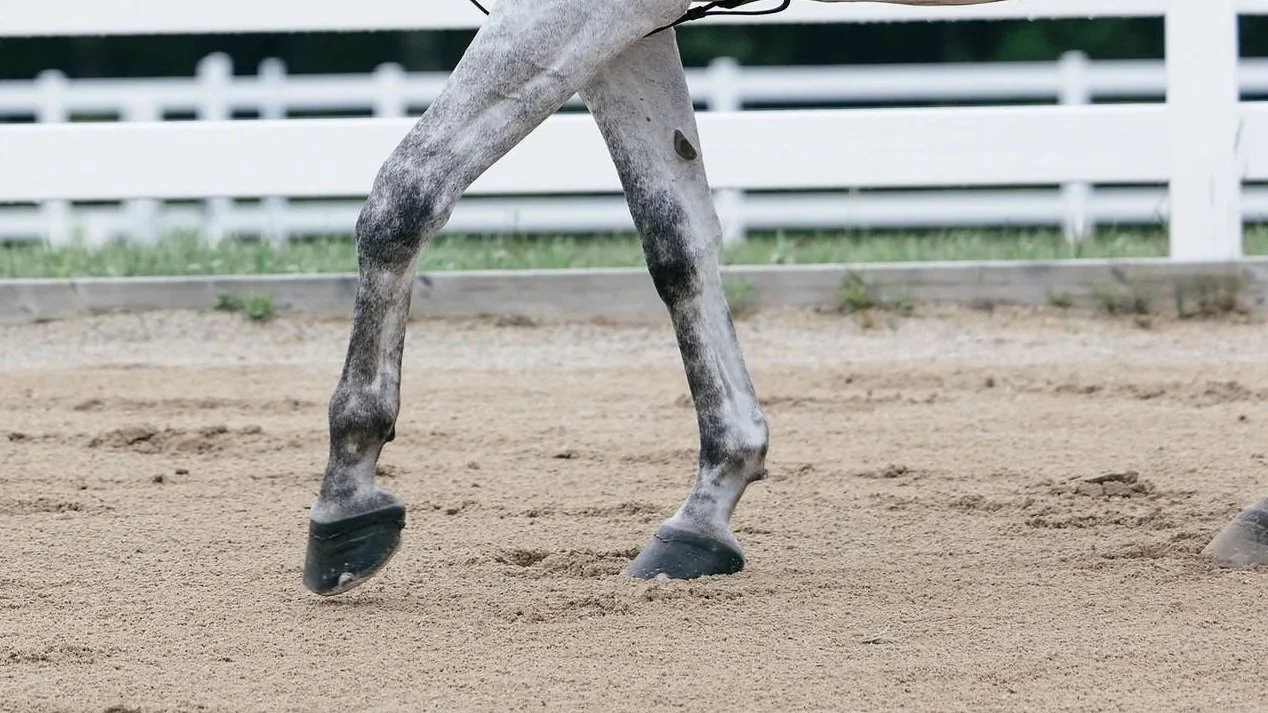
Clipping leg hair is a simple tool for catching problems early. Winter coats can mask subtle thickening in tendons or ligaments that would otherwise be invisible, and long hair can hide cuts, scrapes, and wounds during routine checks unless there's significant bleeding. Keeping legs clipped, generally up to the knee or hock, means daily checks are more thorough and minor injuries are caught sooner.
Clipping also helps prevent skin problems. Horses prone to cellulitis, mud fever, or pastern dermatitis (scratches) benefit from reduced hair length during damp months, since dense hair traps moisture, bacteria, and yeast against the skin while restricting airflow.
Keeping legs clean and dry matters as much as clipping itself. Washing and thoroughly drying the legs before stalling is an important part of preventing skin issues.
Clipping Your Horses Legs
Previous
Previous
Pre-Purchase Examinations
Next
Next