
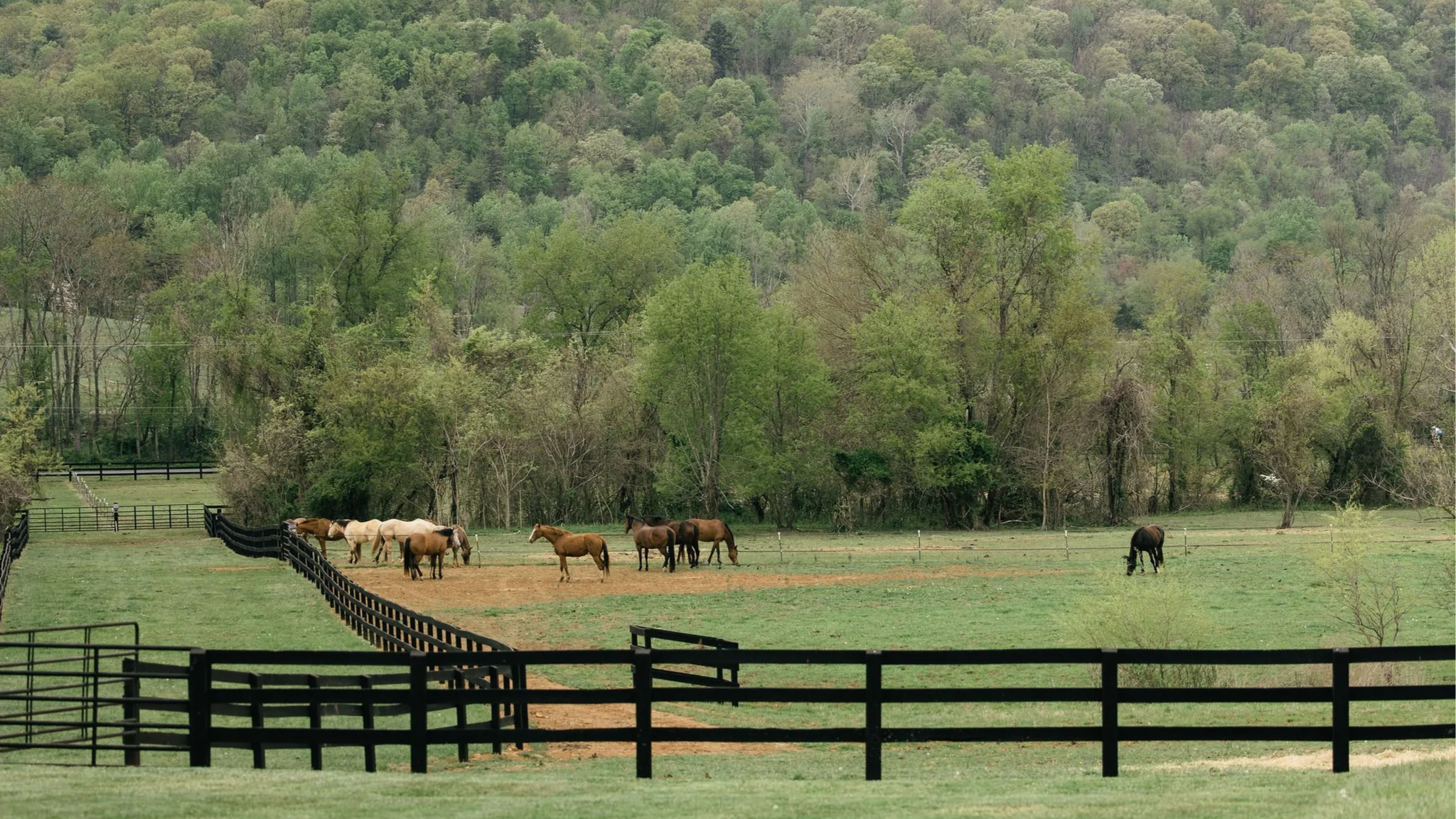
The show trailers are coming home. New boarders are moving in for the winter. The barn doors are closing a little earlier each night. Fall is when a lot of horses share more air with more horses, and it's also when the spring respiratory vaccines are starting to wear thin.
These are the questions we hear most about the second round of vaccines each year.
-
The core vaccines given in spring (tetanus, Eastern and Western encephalitis, West Nile and rabies) are given once a year to most adult horses. The respiratory vaccines; influenza and rhinopneumonitis (equine herpesvirus 1 and 4, or EHV), work differently. Antibody levels for these viruses drop off within months, and flu strains keep shifting, so protection needs topping up. For horses with ongoing exposure to other horses, guidelines recommend boostering them every six months.
So the fall round is mainly flu and rhino (though some horses also receive their Rabies at this time to spread out the vaccines). Some horses in higher-risk settings may also benefit from a strangles vaccine (strangles is a contagious bacterial infection). The mosquito-borne vaccines usually aren't repeated here, since Ontario's mosquito season ends with the first hard frost.
-
It depends on who your horse is around, more than on what he does. Show horses share stabling, wash racks and warm-up rings with horses from many barns. Flu spreads quickly through coughing, shared buckets, cross ties, equipment and people's hands. A mid-season virus usually means weeks out of work.
A horse that never leaves home can still be exposed when boarders, sale horses, lesson horses or barnmates come and go. A horse on a quiet farm with a small, closed group may do well on once-a-year respiratory vaccines. We'll talk through your horse's situation with you, and the decision is yours based on your horse and your comfort with risk.
-
Equestrian Canada sanctioned competitions require flu and rhino vaccines within six months (plus a 21-day grace period) before arrival, and none in the seven days before arrival. US Equestrian shows require both within six months before the horse enters the stables. Individual shows can set their own rules, sometimes stricter, so the prize list is worth a look.
Most horses get fall boosters about six months after spring, usually September to early November. For show horses, we work backward from the competition calendar so the vaccines cover the shows that matter most and land well clear of that seven-day cutoff. If your horse hasn't had theirs yet, it isn't too late. We'll time it around their schedule.
-
No. Current EHV vaccines can reduce respiratory disease and how much virus a horse sheds, which helps protect the rest of the barn, but none are proven to prevent the neurologic form. That's why everyday habits carry a lot of weight: separate buckets, a thermometer handy, and new arrivals kept apart for a while.
-
Some horses are a little sore or swollen at the injection site, quiet for a day, or run a mildly elevated temperature. These usually settle within a day or two, and light movement often helps a sore neck more than standing in the stall.
Hives, swelling around the face, any trouble breathing, or signs of colic are a call-us-right-away situation. We also want to hear from you if a swelling at the injection site is hot or keeps growing, if a fever of over 101.0 F/38.3 C is present, if a fever lasts beyond two days, or your horse goes off feed. If your horse has reacted before, tell us at booking so we can space vaccines out, change the administration site, administer anti-inflammatories or adjust the plan.
-
Older horses can respond less strongly to vaccines, and horses with PPID have weaker immune defences overall. That's why, in most cases, they still get the fall booster, with the plan built around their health.
A horse with an unknown history, common with new purchases and rescues, starts fresh. Most vaccines begin as a series of two (sometimes three) doses, three to four weeks apart. Rabies needs only one. Any records you can find, even partial ones, help.
Booking fall vaccines takes a call, text or email. If several horses at one barn are due, we can do them together and keep everyone on the same schedule. For anything about cost, ask us directly.